
Ayrton Cecillano
Client Success Manager

Here's a pattern that shows up in almost every B2B business that's been around for a few years.
Things are going reasonably well. You've got clients. Most of them came through referrals, a few through your network, maybe one or two from a conference or a LinkedIn connection that went somewhere. The pipeline isn't bursting but it moves. You close enough to keep things healthy.
And then a client churns unexpectedly. Or a big deal falls through at the last minute. Or two clients finish their contracts in the same quarter and don't renew. And suddenly you're staring at a gap in your revenue with no real system to fill it, because the system you've been relying on was never really a system. It was just luck wearing a business plan.
This isn't a criticism. It's one of the most common situations in B2B. And the reason so many founders stay in it, even when they can see the risk, is that changing it requires building something that doesn't pay off immediately. So the urgency never quite tips the scale until a bad quarter makes it tip for you.
The Hidden Cost of Referral Dependency
Let's start with the context, because it matters.
Referrals are genuinely great leads. That part is true and worth acknowledging.
According to Harvard Business Review, 84% of B2B sales start with a referral. Referred buyers trust you before they've spoken to you. They convert faster, negotiate less aggressively on price, and stay longer. Nobody is arguing that referrals are bad.
The problem isn't referrals. It's building a business where referrals are the only source of new clients, because that business has a structural fragility that's easy to ignore when things are going well and impossible to ignore when they're not.
The core issue is one of control. When your pipeline depends on someone else deciding to mention your name at the right moment, to the right person, at the right time, you've essentially outsourced your revenue growth to a process you can't influence, predict, or scale. You can do great work. You can ask for introductions. But you can't make someone think of you when they happen to be talking to a perfect prospect.
Content changes that equation completely. Done well, it's a system that works continuously, generates interest from people you've never met, and builds the kind of trust that used to only come through a referral, at a scale no network can match.
Why Most Founders Assume Content Doesn't Work for Them
Before getting into what the shift actually looks like, it's worth addressing the assumptions that keep most B2B owners from making it.
"Our buyers aren't on social media." This one comes up a lot and it's almost never true. 80% of business decision-makers say they actively prefer reading articles and content over seeing advertisements when researching a purchase. Your buyers are consuming content. The question is whether it's yours or someone else's.
"We tried blogging and it didn't work." Usually what happened is that someone wrote a few posts, got no immediate traction, and stopped. Which is a production problem, not a content problem. Content takes time to compound. The average cost per lead drops by 80% after just five months of consistent inbound marketing activity. The businesses that bail at month two never get to see that curve turn.
"Our deals come from relationships, not content." This one is partially true and that's exactly what makes it a trap. Relationships do close B2B deals. But content is how you build relationships at scale, with people you haven't had the chance to meet yet. It's relationship building that doesn't require your time to be in the room.

What "Attracting Clients" Actually Means in Practice
When someone says "content marketing," most founders picture blog posts that nobody reads. That's a fair association given how much mediocre content exists. But what we're talking about is something more specific and more purposeful.
The goal of a content-driven inbound system isn't to get followers or go viral. It's to put the right information in front of the right people at the exact moment they're looking for what you offer, and to do it in a way that builds genuine trust before any conversation happens.
Think about what that looks like from a buyer's perspective. Someone has a problem your business solves. They start researching. They search YouTube. They scroll LinkedIn. They read a few articles. And somewhere in that process, they find your content. Not an ad. Not a cold email. A video where you explain their exact problem clearly and show you understand it better than anyone else they've come across.
That viewer doesn't feel sold to. They feel found. And when they reach out, they're already convinced you're the right fit. The conversation skips the trust-building phase entirely because the content already did it.
That's the shift. From chasing to attracting. From outbound interruption to inbound pull.
Research consistently shows that inbound leads generated through content close at four times the rate of cold outbound leads. Not because inbound leads are luckier. Because they've already done the research, self-qualified, and decided they believe in what you do before they ever contact you.
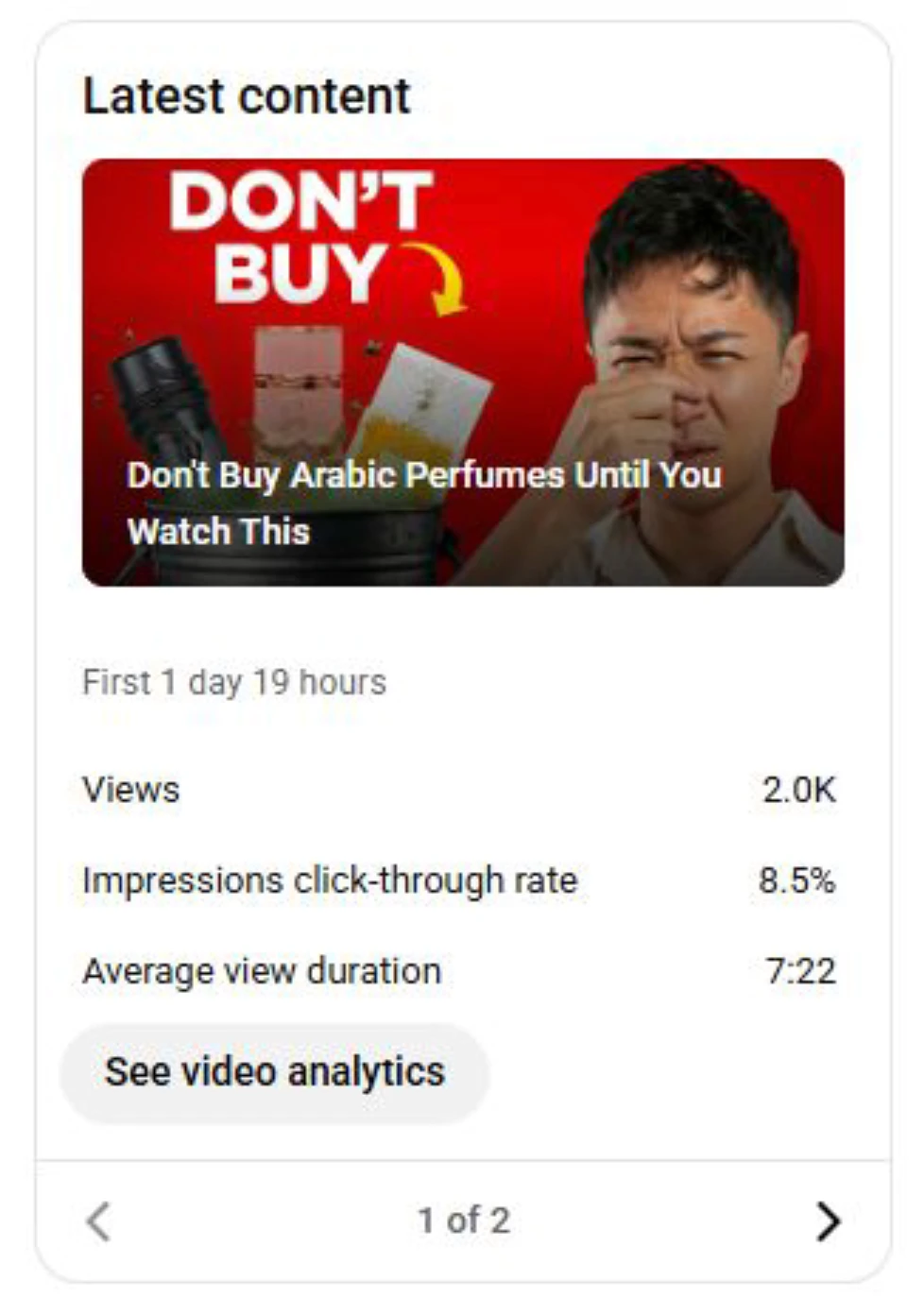
This mechanism works remarkably well without demanding your entire calendar; as I recently shared on LinkedIn regarding a new channel launch we're managing, just a few hours of focused recording can easily fuel months of this kind of automated, trust-building content.
The Numbers That Should Make You Uncomfortable
If you're a B2B founder who hasn't invested in content, there are a few data points worth sitting with.
Content marketing costs 62% less than traditional outbound marketing and generates three times more leads. That's not a marginal advantage. That's a structural one. Every pound or dollar you spend on content compounds over time, because a video or an article that ranks keeps generating leads long after the spend is done. An ad stops the moment you turn it off.
Companies that invest in inbound marketing are three times more likely to achieve higher ROI than those relying on outbound strategies alone. And the businesses that have been doing it consistently for over a year start to see their cost per acquisition drop by an average of 38%. The compounding effect is real and it's measurable.
Meanwhile, the cost of not building this is also compounding, just in the other direction. Every month you're not publishing content is a month your competitors who are publishing are pulling further ahead. They're building search rankings, trust, and audience. They're showing up when your shared buyers are looking for answers. And the gap between a channel that's been growing for two years and one that hasn't started yet is genuinely difficult to close quickly.
At ChannelCraft, we build high-performance YouTube channels that not only look great but also drive real business results.